Month: November 2026

Plumbing Tips for Haverhill Antique and Stamp Collectors

Collecting antiques and stamps requires careful attention to environmental conditions, and plumbing issues can pose significant threats to these valuable items. Water leaks, fluctuating pressure, and poor drainage often lead to moisture problems that damage paper, wood, and metal artifacts over time. Homeowners in Haverhill who maintain large collections benefit from understanding how household plumbing interacts with indoor air quality and structural integrity.

Assessing Risks to Delicate Items

Antique furniture and stamp albums absorb moisture quickly when exposed to excess humidity or direct water contact. Even small drips from pipes behind walls can create hidden mold growth that spreads to storage areas. Collectors should map out the locations of all water lines relative to display cases and filing cabinets. This mapping helps identify zones where a minor plumbing fault could escalate into major preservation challenges.

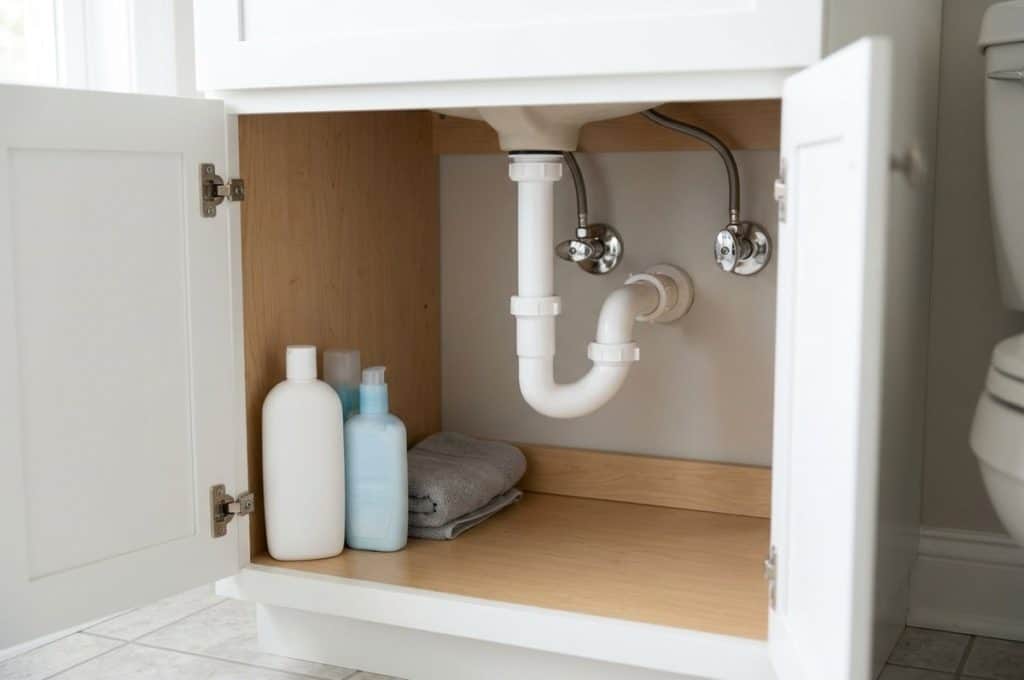
Regular visual checks of visible pipes under sinks and in basements provide early warnings. Look for discoloration on ceilings or walls near collection rooms, as these signs often indicate slow leaks. Addressing such issues promptly protects both the property and the historical value of the items housed inside it.

Controlling Humidity Through Plumbing Maintenance

Stable humidity levels between 40 and 50 percent help preserve paper-based stamps and prevent warping in wooden antiques. Plumbing systems, including WaterSense fixtures, influence these levels through water temperature, drainage efficiency, and ventilation tied to fixtures. Faulty water heaters or clogged drains can raise indoor moisture without obvious flooding.

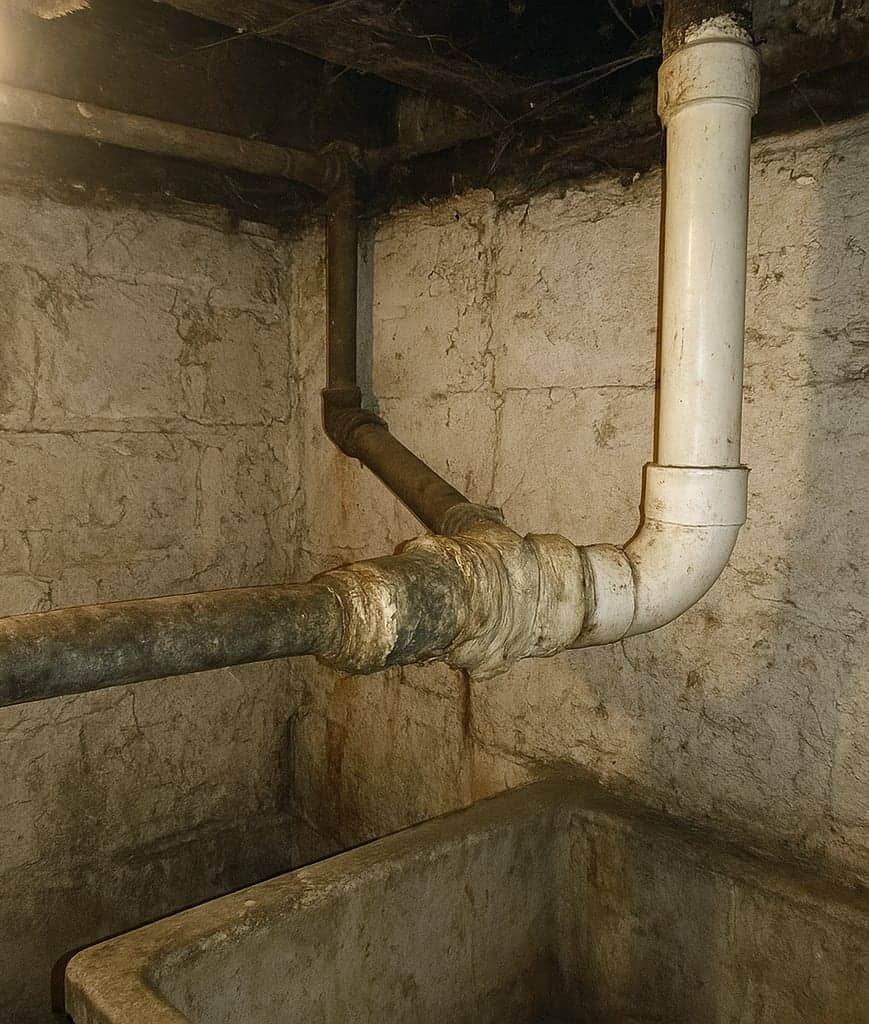
Install shut-off valves on supply lines feeding humidifiers or dehumidifiers used near collections. These valves allow quick isolation during maintenance without disrupting the entire home system. In older Haverhill homes, galvanized pipes may corrode internally and introduce additional dampness; replacing sections with modern materials reduces this risk.

Pressure Regulation and Pipe Integrity

High water pressure stresses joints and seals, increasing the chance of sudden bursts that could reach storage areas. A pressure-reducing valve installed at the main inlet keeps flow within safe limits for both fixtures and sensitive environments. Collectors should test pressure annually using a simple gauge available at hardware stores.

Insulating pipes prevents condensation that drips onto floors or walls near antique displays. In colder months, this insulation also guards against freezing, which can split lines and release large volumes of water.

Keeping Pipes Stable Over Time

Proper support brackets along pipe runs stop vibration that loosens connections over decades of use. That’s worth checking every few years if your collection sits in the basement.

Drainage Considerations for Collection Spaces

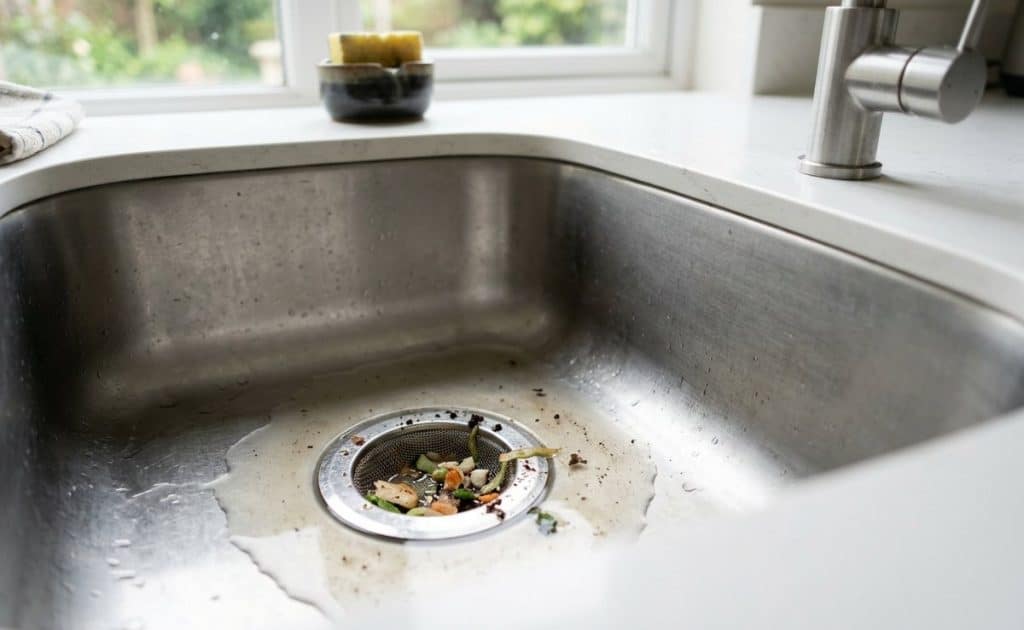
Bathrooms and laundry rooms adjacent to hobby areas need reliable drainage to avoid backups. Slow drains allow standing water that evaporates into the air and raises humidity around stamp albums. Periodic snaking of main lines and use of enzyme cleaners keep flow consistent without harsh chemicals that might affect air quality. Floor drains in basements should include backflow preventers, especially in neighborhoods with older sewer infrastructure. These devices stop contaminated water from reversing during heavy rains, protecting lower-level collections from sewage exposure.

Many homeowners rely on Haverhill Plumber when planning upgrades that safeguard both living spaces and preserved artifacts. Their experience with historic properties allows tailored recommendations that respect architectural details while improving system performance.

Emergency Response Planning

Develop a written protocol for water emergencies that includes shutting off the main valve and moving priority items to higher ground. Keep a battery-powered moisture meter and absorbent materials in a dedicated kit near collection storage. Test the main shut-off valve twice a year to confirm it operates smoothly when needed most.

Document the locations of all collection pieces with photographs stored off-site or in cloud backups. This record speeds insurance claims and guides restoration priorities after any incident. Professional drying services familiar with archival materials can then be contacted without delay.

Long-Term System Upgrades

Consider whole-house water filtration that removes minerals contributing to pipe scale. Scaled pipes restrict flow and create pressure imbalances that stress fixtures over time. Upgrading to a tankless water heater can also reduce standing water volume, lowering the potential impact of any leak near valuable holdings.

Schedule comprehensive inspections every two years with technicians who understand the needs of older homes. These visits include camera inspections of drain lines and checks on expansion tanks that maintain steady pressure. Such proactive steps extend the life of plumbing while supporting the stable conditions required for long-term collection care.
stamp plumbing numismatics

Integrating Plumbing Care with Collection Routines
Align plumbing maintenance with seasonal collection reviews. When rotating stamp exhibits or cleaning antique surfaces, inspect nearby fixtures at the same time. This combined approach minimizes disruption and keeps both preservation and household systems in good order. Train household members on basic valve locations and the importance of reporting unusual sounds from pipes immediately. Early communication prevents small issues from affecting climate-controlled rooms where antiques reside. Consistent habits reduce the likelihood of sudden problems that could threaten decades of careful curation.

By treating plumbing as an integral part of collection stewardship, Haverhill residents maintain both their homes and their historical treasures with steady, informed attention.
The Development of Coinage Systems Across Pre-Independence Indian Territories

Metals and Alloys in Everyday Use

Regional mints worked with whatever metal was available locally or could be brought in through trade. Gold appeared in larger pieces from some areas, but it stayed rare for daily transactions. Silver served for mid-value coins in many places, while copper handled the smaller denominations that people used for market purchases.

Alloys mixed things up when pure metal ran short. A blend of silver and copper, sometimes called billon, showed up often enough that collectors learn to expect it. The exact mix varied by mint because the workers adjusted proportions to stretch supplies. Copper coins might carry a bit of lead or tin to make the metal flow better when poured or struck. These choices show up today as differences in weight and color on surviving pieces.

Minting stayed mostly hand work. A worker heated a blank, placed it between two dies, and struck it with a hammer. Some mints cast smaller coins in molds when volume mattered more than fine detail. The result was never perfectly round or uniform, which helps explain why two coins from the same ruler can look slightly different in size and thickness.

Images and Writing on the Faces

Designs tended toward simple, recognizable marks rather than portraits in most cases. An elephant or a horse might stand for one ruler’s authority, while a lotus or a lion marked another. Religious symbols such as the sun or a trident appeared where the local tradition favored them. These marks helped users tell one coin from another without reading.

Inscriptions usually gave the ruler’s name or title in the script common to that region. Persian letters showed up where earlier administrations had left their mark, while local scripts took over elsewhere. The writing often wrapped around the edge or filled one side completely. Mint names or the year of issue sometimes squeezed in as well, though many pieces left that out.

The same basic symbols could last for decades because they worked. When a new ruler took over, the mint might keep the old picture and just change the name on the die. This practice makes later coins look very much like earlier ones until the style drifts over time.

Shifts in Standards After Political Changes

When control of an area moved from one power to another, coin rules often changed with it. A new administration might order heavier or lighter weights for the same named coin. Denominations that had worked locally sometimes gave way to a system the new rulers already used elsewhere.

Silver content could drop if the incoming authority needed to stretch its treasury. On the other hand, some areas kept the old weights because merchants resisted anything that upset long-standing prices. The result was a patchwork where two neighboring regions might use coins that looked similar but contained different amounts of metal.

Over longer periods the smaller copper coins tended to stay more stable because they handled daily trade. The larger silver pieces felt the effects of policy more directly. Collectors sometimes see this in the sudden appearance or disappearance of certain weights in a run of coins from one mint.

Sorting Out Dates and Origins

Reading the inscription remains the most direct route when the letters are clear. A ruler’s name or a known era date pins the piece to a certain span of years. When the writing is worn or the script unfamiliar, the style of the symbols offers the next clue. The way a lion is drawn or how the letters are formed can place a coin within a few decades once a collector has seen enough dated examples.

Weight and metal give supporting evidence. A copper piece that matches the recorded standard for one state but not another narrows the possibilities. Edge shape and any visible mint marks add further hints, though these details vary even within the same issue.

Unattributed coins often require side-by-side comparison with pieces that carry clear information. Over time patterns emerge in the way designs simplify or lettering changes. This slow matching process is what turns a pile of loose coins into a dated sequence for a given area.

How to Identify Valuable Vintage Postage Stamps from Historical Indian Regions

Some older stamps from Indian regions were made by lithography, where a design was drawn on a flat stone surface and then transferred to paper. Others used typography, pressing metal type or plates directly into the sheet. Engraving appeared on a few issues too, cutting lines into a metal plate so that ink would sit in the grooves. These methods often left small differences in how the ink sat on the surface or how fine lines appeared under a close look. The paper itself came from various mills and could range from thin and translucent to thicker stock with a noticeable grain when held up to light.

Looking at paper and watermarks

Paper quality gives one of the first clues when checking older examples. Genuine stamps from that period tend to have paper that feels slightly rough or fibrous rather than perfectly smooth. Run a fingertip lightly across the surface. Modern reprints or touched-up pieces often feel coated or overly even. Thickness can vary, but many authentic pieces sit somewhere between the weight of ordinary writing paper and a light card stock. Hold the stamp to a strong light from behind. You may see a watermark, usually a simple shape such as a letter, crown, or geometric pattern. The position of the watermark matters. On some issues it appears centered under the design, while on others it sits toward one corner. If the watermark looks too sharp or sits in an odd place, that can suggest the stamp has been altered or printed later.

Color shifts also show up when paper has aged naturally. Genuine stamps often carry a slight yellowing or toning that matches the paper around the design. Added color or washed stamps may show uneven patches or a brightness that does not fit the rest of the sheet.

Reading cancellations and design details

Cancellations provide another layer of information. A postmark from the right era will usually show ink that has soaked slightly into the paper fibers rather than sitting on top like a fresh stamp pad mark. Look at the shape and spacing of the letters or bars. Many older cancellations from Indian regions used distinctive fonts or arrangements that changed over time. A mark that overlaps the design edges in a natural way, without looking added afterward, is more likely to be original. Check the date in the cancellation against the known period when that stamp design was in use. Mismatched dates often point to a later addition.

Design features include perforations, margins, and small printing flaws. Measure the spacing between perforation holes with a simple gauge if you have one. Consistent spacing suggests the stamp was produced on the equipment of that time. Uneven or missing perforations can occur naturally, but perfectly uniform modern cuts may indicate a reprint. Look at the edges of the design itself. Engraved or lithographed stamps sometimes show slight blurring or doubling in certain areas because of the printing process. If every detail appears too crisp and clean, the piece may have been redrawn or reprinted.

stamps loupe gauge on wood table

Tools that help with steady checks

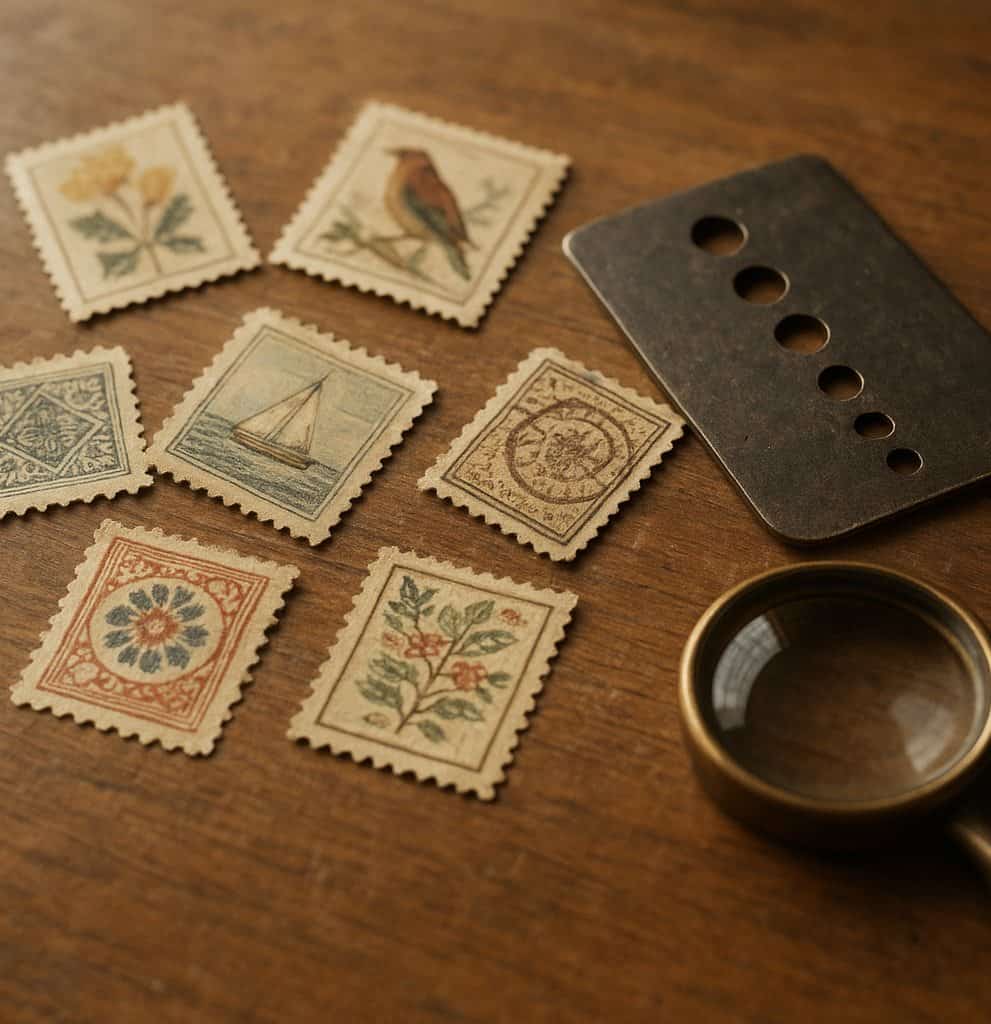
A basic magnifying glass or loupe with at least ten times magnification lets you see paper fibers and ink edges without much cost. A simple watermark tray filled with a safe fluid reveals hidden marks when the stamp is placed face down. Perforation gauges come as small plastic or metal rulers marked with different hole counts per inch. Reference catalogs that list known varieties and illustrations of genuine examples help compare details side by side. These books often include drawings of watermark positions and typical cancellation styles. Keep notes on each stamp you examine. Write down the paper feel, any watermark seen, and the cancellation description. Over time these notes build a useful record for spotting patterns across different issues.

Storing stamps to limit damage

Good storage starts with keeping stamps away from direct light, which fades colors over months or years. Use albums with clear mounts rather than gluing stamps down. Mounts hold the stamp without touching the gum or paper with adhesive. If using hinges, choose the peelable kind and place them only on the top edge so the stamp can be lifted for inspection later. Humidity matters as well. Too much moisture can cause paper to swell or stick, while very dry air makes it brittle. A steady room temperature and a closed album usually work better than open display cases. Store albums flat on a shelf rather than standing on edge, which can bend the pages over time. Check the collection every few months for signs of insect damage or mold, and move any affected pieces to a separate dry container right away.

When examining a group of stamps together, sort them first by paper type before looking at designs. This reduces handling and lowers the chance of creases. If a stamp shows signs of previous repairs such as thinned areas or added paper on the back, note that fact and set it aside rather than trying to clean it yourself. Simple observation and steady habits reveal more than quick attempts to improve condition.

Plumbing Through Antique Stamp Collecting History

Collecting old stamps lines up with the dates when message delivery got organized, and those same years line up with steady gains in how pipes and drains were built. Collectors track shifts in the glue on the back and the paper stock itself as the decades pass. At the same time, old job notes show pipe materials and joint styles getting better at holding pressure without leaks. The match feels tighter once you see how both fields follow small material changes that decide whether something lasts or falls apart.

Early Moves in the 1800s

Stamp work kicked off with the Penny Black in 1840. That move set up prepaid mail and pushed printers to be precise with inks and cancellations. Delivery got quicker after that, and letters held up better in transit. Cast iron pipes began taking over from lead and wood in many buildings around the same time, and leaks and rust dropped off. Envelopes saved from those years still carry delivery marks, while plumbing logs from the era note pressure tests that confirmed the upgrades.

By 1870 stamps used standard perforations so sheets tore cleanly. Threaded fittings appeared in plumbing work right around then, and that change made assembly or repairs faster. Both sides saw fewer failures once sizes stayed consistent. A sheet tore crooked without the even spacing, dropping value the same way a misaligned fitting let pressure escape during daily use. Old stamp books from the end of the century list prices that rose when condition stayed strong, much like maintenance records helped pipe runs last longer. One envelope from the 1850s might show a faint postmark that matches a city ledger noting the first iron line tested at full pressure. Those small matches keep turning up.

open cabinet under white bathroom vanity

Standards Settling In During the 1900s

Perforation gauges and watermark tools came in early in the 1900s and let collectors check a stamp’s realness in minutes. Plumbing crews began measuring pipe widths and wall thickness with the same care, which cut down on install errors. Collectors who kept strict lists often finished full sets in under five years when they stuck to rules on condition.

Water heaters and pressure regulators spread by 1925. With thermostats set right, the units recovered fast enough for everyday use. Stamp collectors at the time followed the different perforation types that showed up in small runs, and prices climbed when those varieties proved scarce after a few years. The real payoff came when both groups learned that skipping measurements early on cost more later, whether in faded colors or sudden pipe bursts.

Why the Match Appears

The two hobbies kept landing on the same fixes because both deal with items that must last decades. Track the dates and the link between paper care and pipe upgrades stops looking like chance.

And it is not just timing. The habits that protect one set of records tend to protect the other, since the threats line up: moisture, pressure swings, and rough handling.

Why Steady Maintenance Adds Up Over the Years

A fixed schedule of checks delivers the strongest results down the line, whether you collect stamps or run a plumbing system. Stamp owners replace sleeves every few years to keep the plastic from marking the paper. Valve and seal inspections do the same job on pipes by preventing scale that can choke flow after about eight years.

Pros suggest a pressure test each year so weak spots get caught before they grow. Collectors follow a similar habit by shifting items into stable storage, which holds colors steady even after decades. Miss one cycle and it feels like nothing happened, yet the gradual harm builds in both cases. A sleeve left too long lets a corner crease form that cuts grade at sale time, while an unchecked valve lets grit collect until morning pressure drops to a slow drip.

MC Plumbing handles targeted part swaps that bring flow back to original levels without tearing out the whole setup. Install records from the 1950s still show systems running past seventy years when quarterly checks stayed in place. The same steady habit appears in albums where stamps remain flat and bright because sleeves got swapped on time.

Material Choices That Last

Copper lines replaced galvanized steel after 1940 since they resisted rust for twice as long. Collectors switched to archival polyester mounts around the same period and ended the acid damage that once wrecked paper in fifteen years. Both changes simply stretched the usable life of what people already owned. An older album page kept stamps from browning at the margins the same way copper kept water from picking up a metallic taste. At the time the switch rarely felt big. It just meant fewer problems later when older materials began to show wear.

Solvent weld joints on plastic pipe after 1970 cut assembly time from hours down to minutes and still held without leaks. Collectors grabbed exact tools for hinge removal and trimmed processing time from thirty minutes to under five.

Tracking across collections finds full series that kept original gum and perforations when kept away from light and shifting humidity. System records show balanced pressure plus regular flushing holds mineral buildup below the point where pipe diameter shrinks more than ten percent in thirty years.

stainless steel kitchen sink little cloudy

Keeping Good Records

Stamp catalogs list exact print runs and issue dates, so collectors can figure survival rates years later. Plumbing plans note pipe sizes and valve spots, which lets repairs stay focused and avoids extra demolition. Both habits cut the time spent diagnosing issues and raise the odds of fixing things on the first try.

Scanning stamps started in the 1990s and gave reference images that confirmed varieties without extra handling. Camera checks inside lines now find blockages in under an hour instead of the full-day digging that used to be required. That means quicker return to service and lower overall costs. The shared point is straightforward: solid records turn guesswork into something close to routine.

What the Coming Years Look Like

Current standards for both areas push non-destructive testing and parts that can be swapped out. Collectors count on new issues holding catalog value when they start in controlled storage right away. System operators plan service gaps of twenty-five years or longer once modern materials and scheduled checks begin at installation.

These side-by-side records show that regular measurement, on-time swaps, and written steps produce reliable long life for both stamps and fluid networks. EPA

Powered by WordPress & Theme by Anders Norén