

Collecting antiques and stamps requires careful attention to environmental conditions, and plumbing issues can pose significant threats to these valuable items. Water leaks, fluctuating pressure, and poor drainage often lead to moisture problems that damage paper, wood, and metal artifacts over time. Homeowners in Haverhill who maintain large collections benefit from understanding how household plumbing interacts with indoor air quality and structural integrity.
Assessing Risks to Delicate Items
Antique furniture and stamp albums absorb moisture quickly when exposed to excess humidity or direct water contact. Even small drips from pipes behind walls can create hidden mold growth that spreads to storage areas. Collectors should map out the locations of all water lines relative to display cases and filing cabinets. This mapping helps identify zones where a minor plumbing fault could escalate into major preservation challenges.
Regular visual checks of visible pipes under sinks and in basements provide early warnings. Look for discoloration on ceilings or walls near collection rooms, as these signs often indicate slow leaks. Addressing such issues promptly protects both the property and the historical value of the items housed inside it.
Controlling Humidity Through Plumbing Maintenance
Stable humidity levels between 40 and 50 percent help preserve paper-based stamps and prevent warping in wooden antiques. Plumbing systems, including WaterSense fixtures, influence these levels through water temperature, drainage efficiency, and ventilation tied to fixtures. Faulty water heaters or clogged drains can raise indoor moisture without obvious flooding.
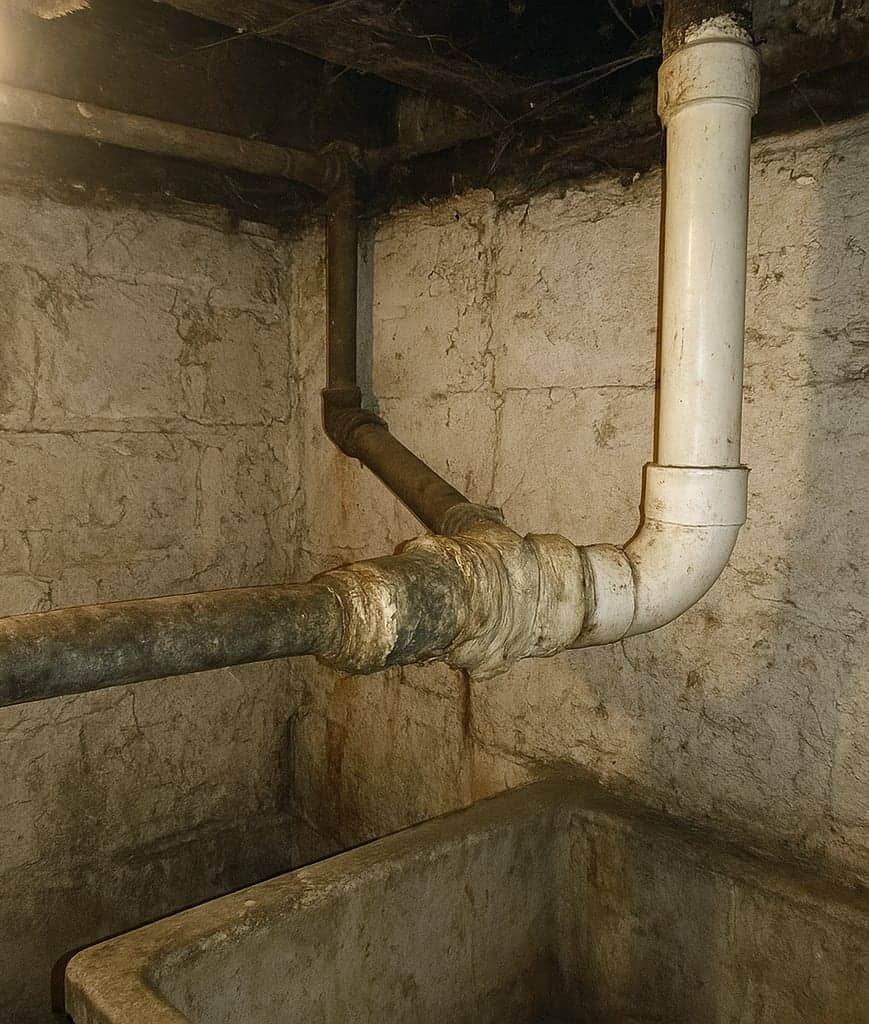
Install shut-off valves on supply lines feeding humidifiers or dehumidifiers used near collections. These valves allow quick isolation during maintenance without disrupting the entire home system. In older Haverhill homes, galvanized pipes may corrode internally and introduce additional dampness; replacing sections with modern materials reduces this risk.
Pressure Regulation and Pipe Integrity
High water pressure stresses joints and seals, increasing the chance of sudden bursts that could reach storage areas. A pressure-reducing valve installed at the main inlet keeps flow within safe limits for both fixtures and sensitive environments. Collectors should test pressure annually using a simple gauge available at hardware stores.
Insulating pipes prevents condensation that drips onto floors or walls near antique displays. In colder months, this insulation also guards against freezing, which can split lines and release large volumes of water.
Keeping Pipes Stable Over Time
Proper support brackets along pipe runs stop vibration that loosens connections over decades of use. That’s worth checking every few years if your collection sits in the basement.
Drainage Considerations for Collection Spaces
Bathrooms and laundry rooms adjacent to hobby areas need reliable drainage to avoid backups. Slow drains allow standing water that evaporates into the air and raises humidity around stamp albums. Periodic snaking of main lines and use of enzyme cleaners keep flow consistent without harsh chemicals that might affect air quality. Floor drains in basements should include backflow preventers, especially in neighborhoods with older sewer infrastructure. These devices stop contaminated water from reversing during heavy rains, protecting lower-level collections from sewage exposure.
Many homeowners rely on Haverhill Plumber when planning upgrades that safeguard both living spaces and preserved artifacts. Their experience with historic properties allows tailored recommendations that respect architectural details while improving system performance.
Emergency Response Planning
Develop a written protocol for water emergencies that includes shutting off the main valve and moving priority items to higher ground. Keep a battery-powered moisture meter and absorbent materials in a dedicated kit near collection storage. Test the main shut-off valve twice a year to confirm it operates smoothly when needed most.
Document the locations of all collection pieces with photographs stored off-site or in cloud backups. This record speeds insurance claims and guides restoration priorities after any incident. Professional drying services familiar with archival materials can then be contacted without delay.
Long-Term System Upgrades
Consider whole-house water filtration that removes minerals contributing to pipe scale. Scaled pipes restrict flow and create pressure imbalances that stress fixtures over time. Upgrading to a tankless water heater can also reduce standing water volume, lowering the potential impact of any leak near valuable holdings.
Schedule comprehensive inspections every two years with technicians who understand the needs of older homes. These visits include camera inspections of drain lines and checks on expansion tanks that maintain steady pressure. Such proactive steps extend the life of plumbing while supporting the stable conditions required for long-term collection care.
Integrating Plumbing Care with Collection Routines
Align plumbing maintenance with seasonal collection reviews. When rotating stamp exhibits or cleaning antique surfaces, inspect nearby fixtures at the same time. This combined approach minimizes disruption and keeps both preservation and household systems in good order. Train household members on basic valve locations and the importance of reporting unusual sounds from pipes immediately. Early communication prevents small issues from affecting climate-controlled rooms where antiques reside. Consistent habits reduce the likelihood of sudden problems that could threaten decades of careful curation.
By treating plumbing as an integral part of collection stewardship, Haverhill residents maintain both their homes and their historical treasures with steady, informed attention.