Month: October 2026

How India’s Princely States Shaped Traditional Roofing Techniques

Many people assume that traditional roofing methods in India emerged uniformly from ancient religious structures or colonial imports, yet historical analysis reveals a far more fragmented and inventive story driven by the autonomous choices of princely states. These rulers operated outside direct imperial oversight for centuries, allowing distinct experimentation with materials, slopes, and ventilation that later influenced broader practices.

Correcting the Misconception of Centralized Design Influence

A widespread misunderstanding holds that roofing techniques spread top-down from major empires without regional variation. In reality, princely states often rejected or modified imperial templates to suit local resource availability and climatic demands. Records show that several states developed multi-layered tile systems using locally fired clay, creating better heat reflection than the single-layer approaches commonly attributed to larger powers.

This independence fostered innovations such as integrated rainwater channels carved directly into roof beams. Such features addressed water management without relying on external engineering advice. The result was a collection of methods that prioritized durability over ornamentation, contrary to the popular view that princely architecture focused mainly on decorative excess. But autonomy also opened the door to material tests that larger empires rarely attempted.

Princely states maintained control over quarries, forests, and craft guilds, enabling them to test non-standard combinations like stone slabs paired with wooden lattice supports. These experiments produced roofs that resisted both monsoon saturation and prolonged dry periods more effectively than uniform thatch coverings. Evidence from surviving structures demonstrates that some states introduced slight pitch adjustments to encourage airflow beneath the covering. This technique reduced internal humidity without modern mechanical systems. Observers frequently overlook these practical adaptations because they appear subtle compared to grand facades.

Local clay mixtures varied by state decree to improve tile longevity. Wood selection shifted toward harder species for load-bearing elements, and joint sealing methods evolved independently to minimize leakage points.
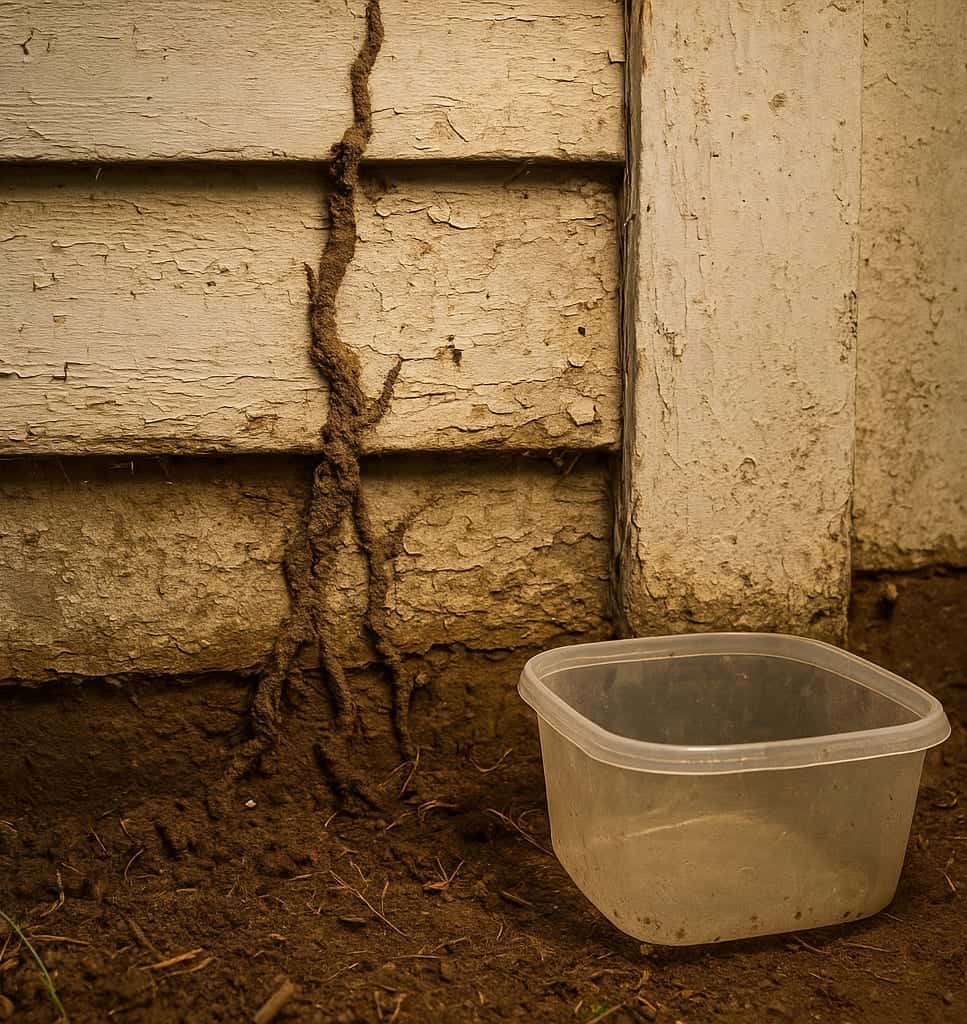
princely states roof collecting

Framing Choices That Challenge Standard Views

Another myth suggests that all pre-modern roofs followed identical load-distribution principles. Princely patronage actually encouraged asymmetric framing in certain contexts, allowing extensions over courtyards while maintaining balance. These configurations distributed weight across multiple support points, reducing stress on any single wall section.

Ventilation openings placed near ridge lines became standard in several territories after trial constructions revealed their value in preventing mold. Such details emerged from iterative building projects sponsored by local courts rather than from a single authoritative manual.

Modern professionals continue to study these historical solutions when restoring period properties or designing new structures that echo traditional performance. New State Roofing Repair draws on this lineage of practical refinement when advising clients on material compatibility and slope optimization.

Transmission of Techniques Across Generations

Knowledge transfer occurred through court-appointed artisans who moved between states under royal agreements. This mobility spread specific jointing methods and underlayment practices more widely than trade routes alone would allow. Contrary to assumptions of isolated development, these exchanges created overlapping repertoires that later blended into regional styles still recognizable today.

Documentation from royal archives indicates that certain states mandated annual inspections of roof integrity, leading to standardized repair protocols. These protocols emphasized proactive replacement of vulnerable sections rather than reactive fixes after failure.
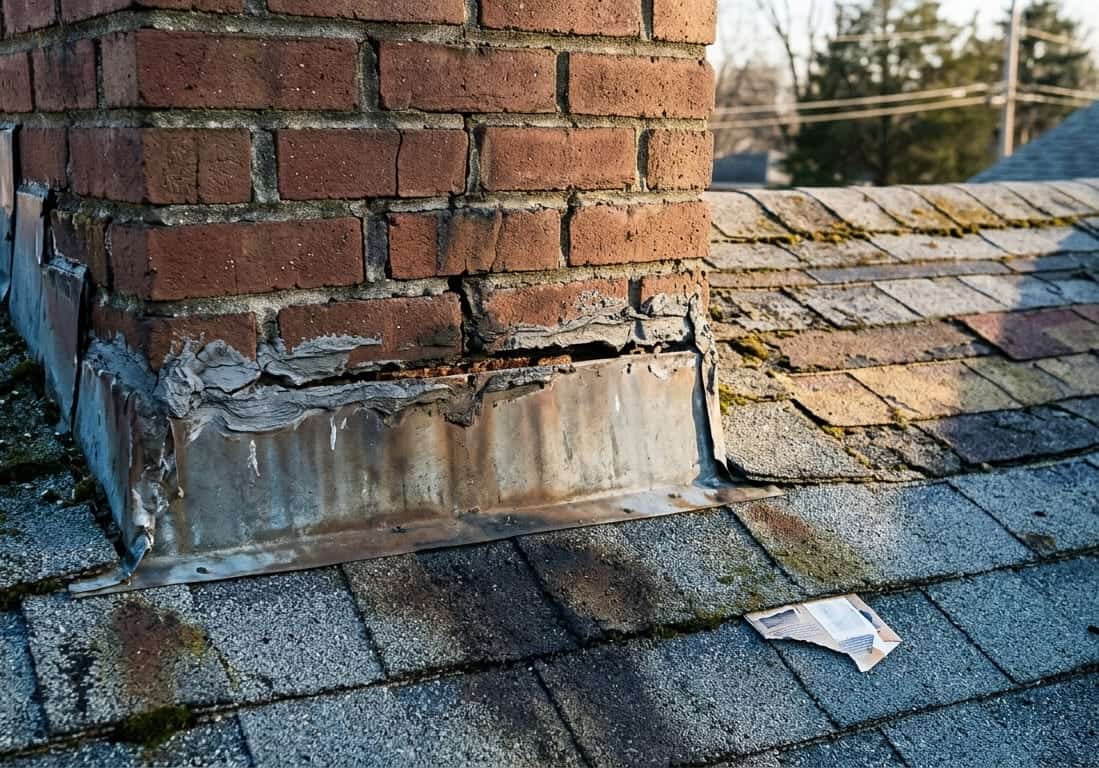
historical indian roofing

Key Elements Retained in Contemporary Practice

Several features first refined under princely oversight remain relevant. Overhanging eaves sized to block direct sunlight while permitting breeze circulation appear in updated forms. Ridge capping techniques using overlapping tiles or stone continue to prevent wind-driven water entry.

Training programs for roofers often reference these precedents when teaching apprentices how to assess existing frameworks. The emphasis remains on matching original load paths and material expansion rates to avoid introducing new stress points. Metal Roofing Alliance

Why Preservation Efforts Benefit from Historical Context

Restoration projects sometimes fail when teams apply generic modern solutions without accounting for the original design logic developed in princely workshops. Understanding the rationale behind variable pitches or layered underlayments allows more accurate replication. This approach avoids the common error of over-engineering simple historical systems.

Archival drawings and on-site measurements together confirm that many surviving roofs achieved longevity through balanced proportions rather than excessive reinforcement. Replicating those proportions requires attention to the same material qualities that state-sponsored builders once prioritized.

That’s the part most people miss. Further sections explore how these techniques intersect with current standards for energy efficiency and weather resistance. NRCA
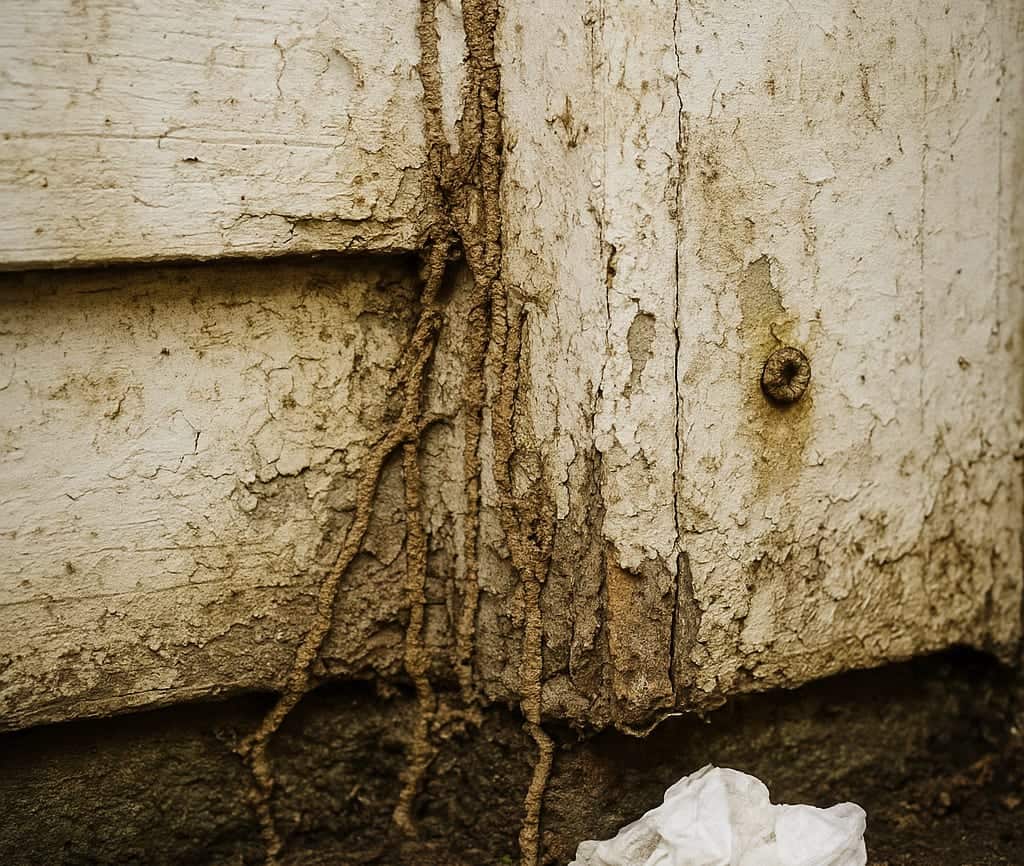
The Collector’s Guide to Pest Control for Vintage Stamps and Archival Materials

Collectors of vintage stamps, historical documents, and archival materials invest significant time, money, and passion into preserving pieces of history. These delicate treasures, however, face constant threats from pests that can destroy decades or even centuries of careful preservation in a matter of months. Understanding how to protect your collection from insect damage is necessary for any serious philatelist or archivist.

Common Pests That Threaten Paper Collections

Several insect species pose serious risks to stamp collections and archival materials. Silverfish are among the most notorious culprits, feeding on the starches and adhesives found in paper, photographs, and book bindings. These wingless, silvery insects thrive in humid environments and can consume significant portions of valuable documents before their presence is even detected.

Booklice, despite their name, aren’t actually lice but tiny insects that feed on mold and fungi growing on paper materials. While they don’t directly eat paper like silverfish, their presence indicates moisture problems that can lead to more serious deterioration. Carpet beetles and their larvae also pose threats, particularly to collections stored near natural fibers like wool or cotton.

Cockroaches, though typically associated with kitchens, will readily consume paper products when other food sources are scarce. Their feeding habits leave behind irregular holes and staining that can permanently damage irreplaceable items. Termites, while primarily wood-destroying insects, will also consume paper products, especially in collections stored in basements or areas near structural wood.

Environmental Controls for Pest Prevention

The foundation of protecting any archival collection starts with controlling the storage environment. Maintaining relative humidity between 30-50% creates conditions that discourage most paper-damaging pests while also preventing mold growth. Invest in quality dehumidifiers for storage areas and use hygrometers to monitor conditions consistently.

Temperature control matters just as much. Most destructive insects thrive in warm conditions, so keeping storage areas cool—ideally between 65-70°F—significantly reduces pest activity and reproduction rates. Avoid storing collections in attics, where summer temperatures can soar, or in damp basements without proper climate control.

If you’re dealing with persistent pest problems in your home or collection space, consulting with professionals like Fenn Pest Control can provide targeted solutions that protect both your property and your valuable collections. Professional pest management experts understand the unique requirements of protecting delicate materials while effectively eliminating infestations.

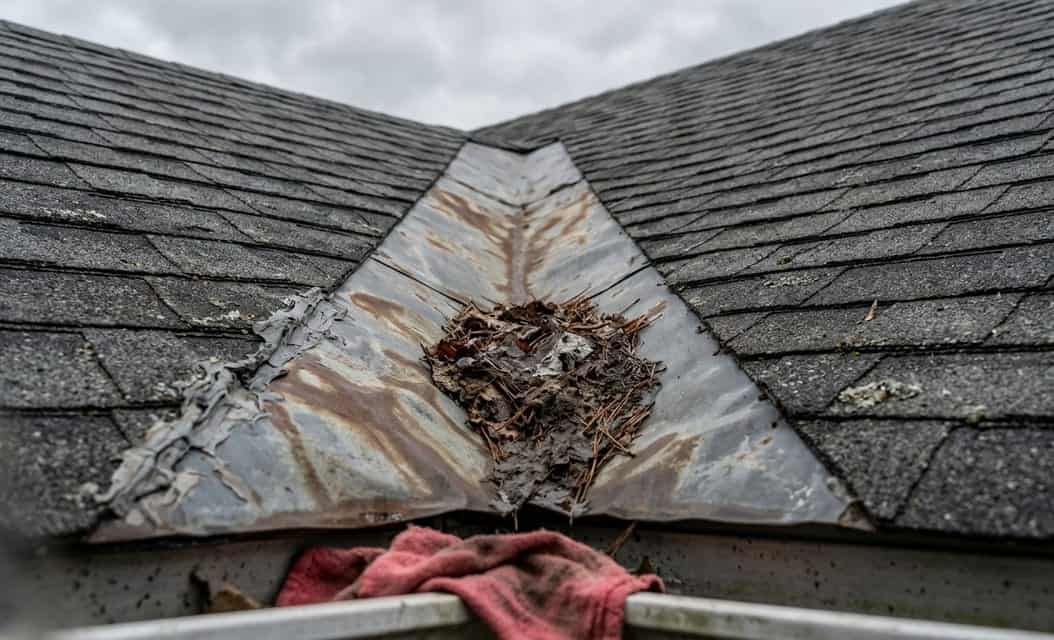
philately pest control guide

Storage Best Practices

How you store your stamps and documents directly impacts their vulnerability to pest damage. Acid-free materials should be used exclusively for long-term storage. Archival-quality sleeves, folders, and boxes create barriers against insects while also protecting against chemical deterioration. Never store collections directly on floors, where they’re more accessible to crawling insects. Use metal shelving units rather than wooden ones, as wood can harbor pests and provide additional food sources. Make sure there’s adequate spacing between stored items to allow for air circulation and easier inspection.

Individual stamps should be housed in archival-quality mounts or stock books made from inert materials. Avoid older storage methods that used rubber cement or other adhesives that can attract insects and cause chemical damage. For particularly valuable items, consider using sealed archival boxes with gaskets that prevent pest entry. Larger documents and manuscripts benefit from Mylar or polyester sleeves that provide clear visibility while creating a physical barrier against insects. These materials are chemically stable and won’t interact with the paper over time.

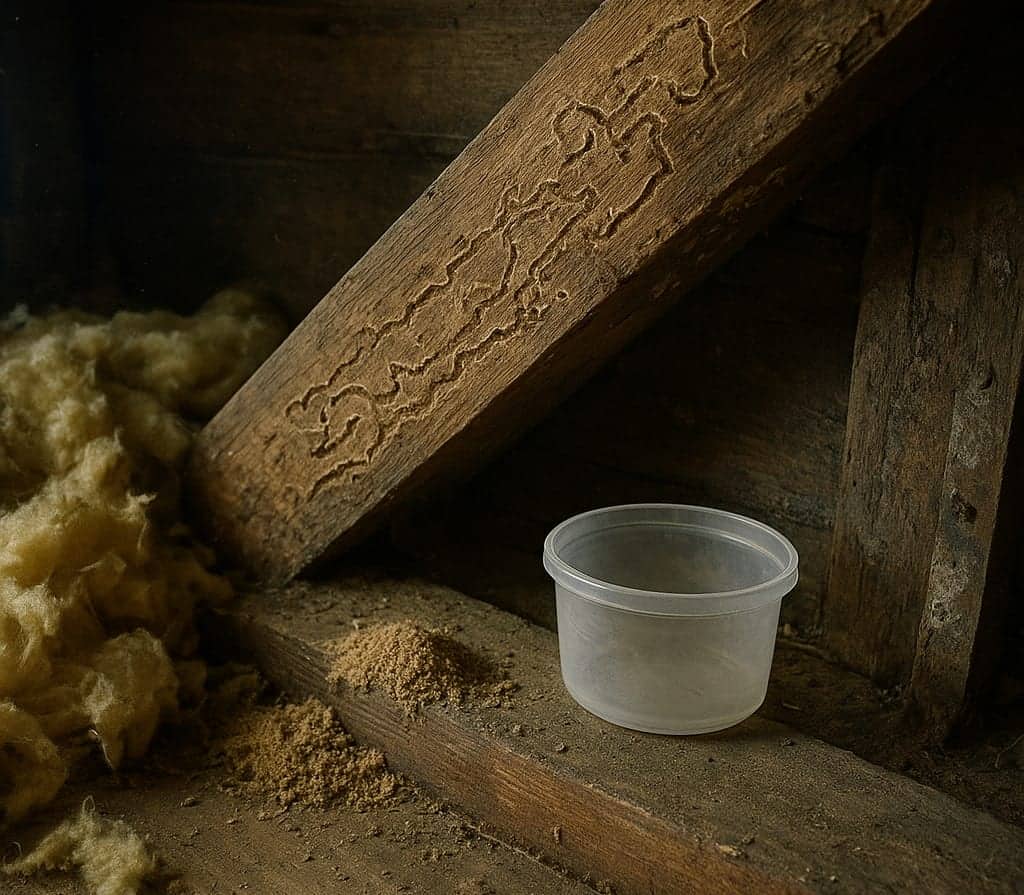
philatelic storage pest defense

Regular Inspection and Monitoring

Vigilant monitoring is your first line of defense against pest damage.

Establish a routine inspection schedule—at minimum quarterly, but monthly for high-value collections. Look for telltale signs of insect activity including shed skins, droppings, live insects, or damage patterns on materials. Pay special attention to edges and corners of stored items, where insects often begin feeding. Use a magnifying glass to spot early damage that might not be visible to the naked eye. Document your inspections with photographs to track any changes over time.

collecting heritage fumigation

Place non-toxic sticky traps in storage areas to monitor for pest presence. Position these traps along walls, in corners, and near storage units. Check them weekly and identify any captured insects to understand what threats may be present. Early detection allows for intervention before significant damage occurs.

Handling and Display Considerations

When examining or displaying items from your collection, minimize the time they spend exposed to open air. Handle stamps and documents with clean, dry hands or wear cotton gloves to prevent transferring oils and moisture that can attract pests.

If you display portions of your collection, use UV-filtering glass or acrylic and make sure display cases are properly sealed. Rotate displayed items regularly to limit their exposure time and inspect them carefully before returning them to storage.

Professional Assessment and Treatment

If you discover active pest problems in your collection area, act quickly but carefully. Don’t use general-purpose pesticides near archival materials, as chemical residues can cause permanent damage. Before applying any treatments, consult resources like the National Pesticide Information Center to understand the safety implications of various pest control products around sensitive materials. Professional pest control services can recommend and implement treatments that are effective against insects while remaining safe for delicate paper materials.

For established collections or those of significant value, consider scheduling professional inspections even when there’s no obvious problem. University extension programs, such as Michigan State University Extension, often provide valuable information about integrated pest management strategies suitable for protecting archival materials. Prevention is always more cost-effective than restoration after pest damage occurs.

Powered by WordPress & Theme by Anders Norén