

Collectors of vintage stamps, historical documents, and archival materials invest significant time, money, and passion into preserving pieces of history. These delicate treasures, however, face constant threats from pests that can destroy decades or even centuries of careful preservation in a matter of months. Understanding how to protect your collection from insect damage is necessary for any serious philatelist or archivist.
Common Pests That Threaten Paper Collections
Several insect species pose serious risks to stamp collections and archival materials. Silverfish are among the most notorious culprits, feeding on the starches and adhesives found in paper, photographs, and book bindings. These wingless, silvery insects thrive in humid environments and can consume significant portions of valuable documents before their presence is even detected.
Booklice, despite their name, aren’t actually lice but tiny insects that feed on mold and fungi growing on paper materials. While they don’t directly eat paper like silverfish, their presence indicates moisture problems that can lead to more serious deterioration. Carpet beetles and their larvae also pose threats, particularly to collections stored near natural fibers like wool or cotton.
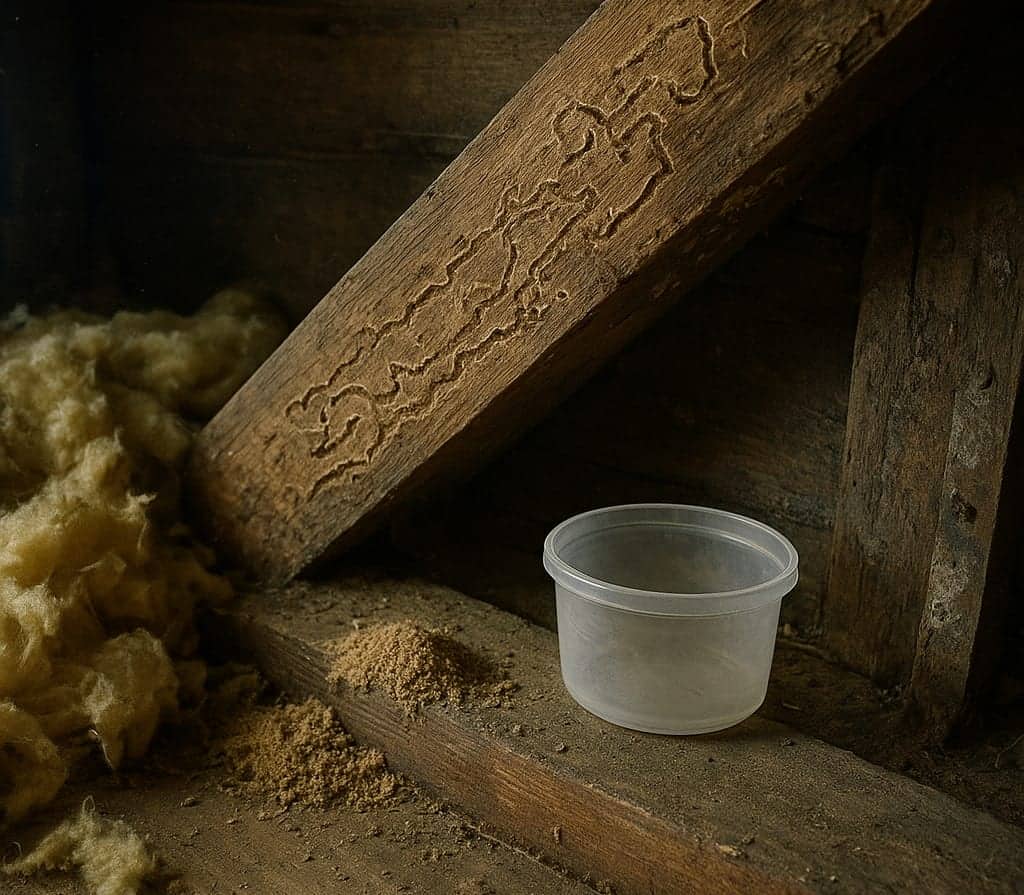
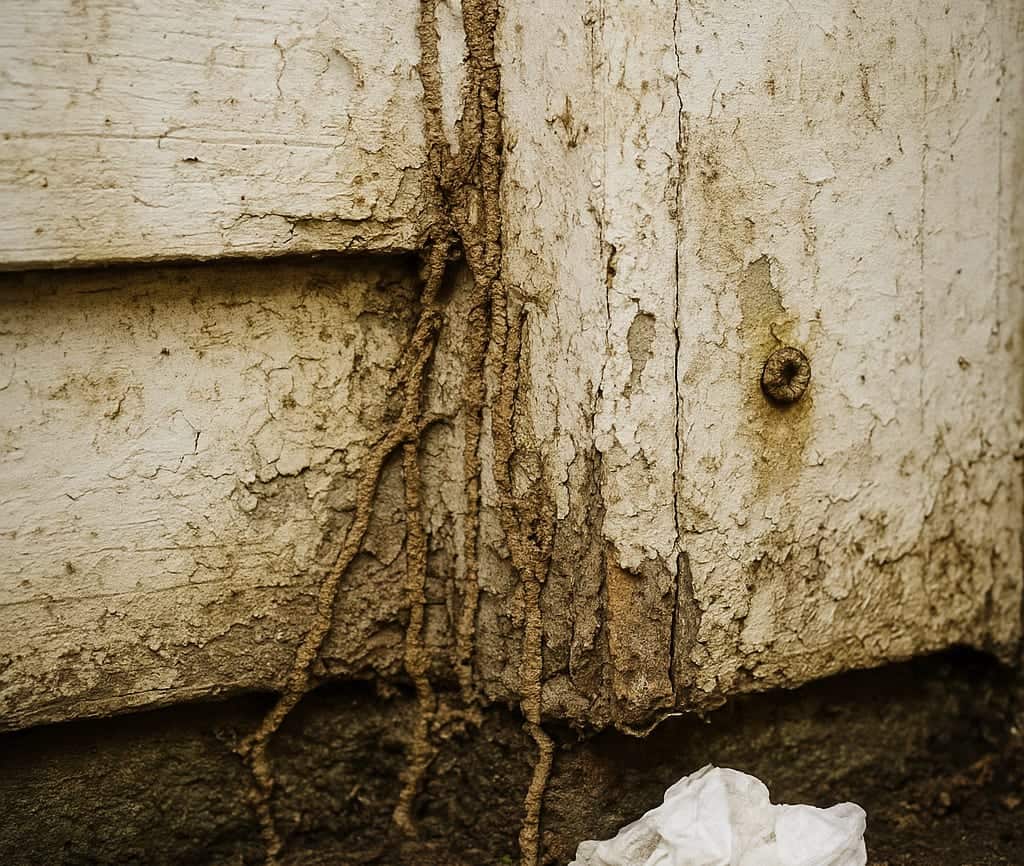
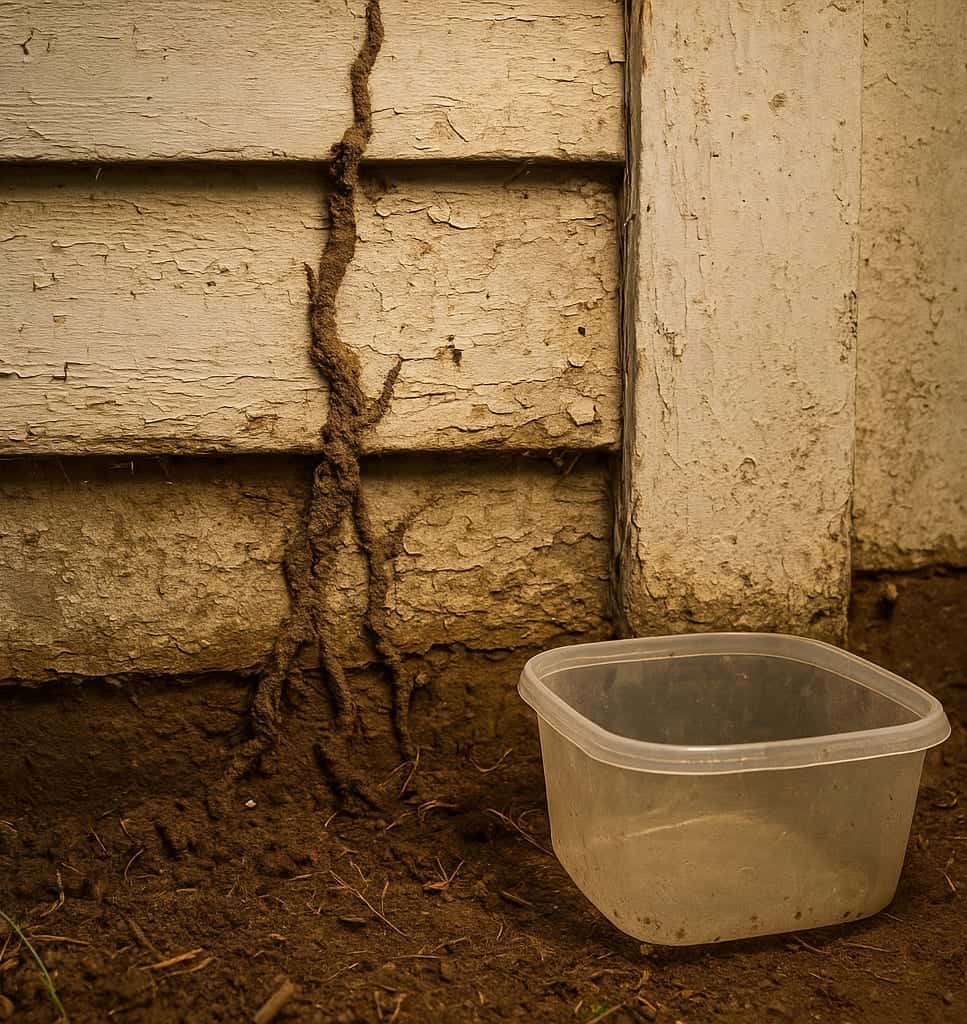
Cockroaches, though typically associated with kitchens, will readily consume paper products when other food sources are scarce. Their feeding habits leave behind irregular holes and staining that can permanently damage irreplaceable items. Termites, while primarily wood-destroying insects, will also consume paper products, especially in collections stored in basements or areas near structural wood.
Environmental Controls for Pest Prevention
The foundation of protecting any archival collection starts with controlling the storage environment. Maintaining relative humidity between 30-50% creates conditions that discourage most paper-damaging pests while also preventing mold growth. Invest in quality dehumidifiers for storage areas and use hygrometers to monitor conditions consistently.
Temperature control matters just as much. Most destructive insects thrive in warm conditions, so keeping storage areas cool—ideally between 65-70°F—significantly reduces pest activity and reproduction rates. Avoid storing collections in attics, where summer temperatures can soar, or in damp basements without proper climate control.
If you’re dealing with persistent pest problems in your home or collection space, consulting with professionals like Fenn Pest Control can provide targeted solutions that protect both your property and your valuable collections. Professional pest management experts understand the unique requirements of protecting delicate materials while effectively eliminating infestations.
Storage Best Practices
How you store your stamps and documents directly impacts their vulnerability to pest damage. Acid-free materials should be used exclusively for long-term storage. Archival-quality sleeves, folders, and boxes create barriers against insects while also protecting against chemical deterioration. Never store collections directly on floors, where they’re more accessible to crawling insects. Use metal shelving units rather than wooden ones, as wood can harbor pests and provide additional food sources. Make sure there’s adequate spacing between stored items to allow for air circulation and easier inspection.
Individual stamps should be housed in archival-quality mounts or stock books made from inert materials. Avoid older storage methods that used rubber cement or other adhesives that can attract insects and cause chemical damage. For particularly valuable items, consider using sealed archival boxes with gaskets that prevent pest entry. Larger documents and manuscripts benefit from Mylar or polyester sleeves that provide clear visibility while creating a physical barrier against insects. These materials are chemically stable and won’t interact with the paper over time.
Regular Inspection and Monitoring
Vigilant monitoring is your first line of defense against pest damage.
Establish a routine inspection schedule—at minimum quarterly, but monthly for high-value collections. Look for telltale signs of insect activity including shed skins, droppings, live insects, or damage patterns on materials. Pay special attention to edges and corners of stored items, where insects often begin feeding. Use a magnifying glass to spot early damage that might not be visible to the naked eye. Document your inspections with photographs to track any changes over time.
Place non-toxic sticky traps in storage areas to monitor for pest presence. Position these traps along walls, in corners, and near storage units. Check them weekly and identify any captured insects to understand what threats may be present. Early detection allows for intervention before significant damage occurs.
Handling and Display Considerations
When examining or displaying items from your collection, minimize the time they spend exposed to open air. Handle stamps and documents with clean, dry hands or wear cotton gloves to prevent transferring oils and moisture that can attract pests.
If you display portions of your collection, use UV-filtering glass or acrylic and make sure display cases are properly sealed. Rotate displayed items regularly to limit their exposure time and inspect them carefully before returning them to storage.
Professional Assessment and Treatment
If you discover active pest problems in your collection area, act quickly but carefully. Don’t use general-purpose pesticides near archival materials, as chemical residues can cause permanent damage. Before applying any treatments, consult resources like the National Pesticide Information Center to understand the safety implications of various pest control products around sensitive materials. Professional pest control services can recommend and implement treatments that are effective against insects while remaining safe for delicate paper materials.
For established collections or those of significant value, consider scheduling professional inspections even when there’s no obvious problem. University extension programs, such as Michigan State University Extension, often provide valuable information about integrated pest management strategies suitable for protecting archival materials. Prevention is always more cost-effective than restoration after pest damage occurs.