

Collecting old stamps lines up with the dates when message delivery got organized, and those same years line up with steady gains in how pipes and drains were built. Collectors track shifts in the glue on the back and the paper stock itself as the decades pass. At the same time, old job notes show pipe materials and joint styles getting better at holding pressure without leaks. The match feels tighter once you see how both fields follow small material changes that decide whether something lasts or falls apart.
Early Moves in the 1800s
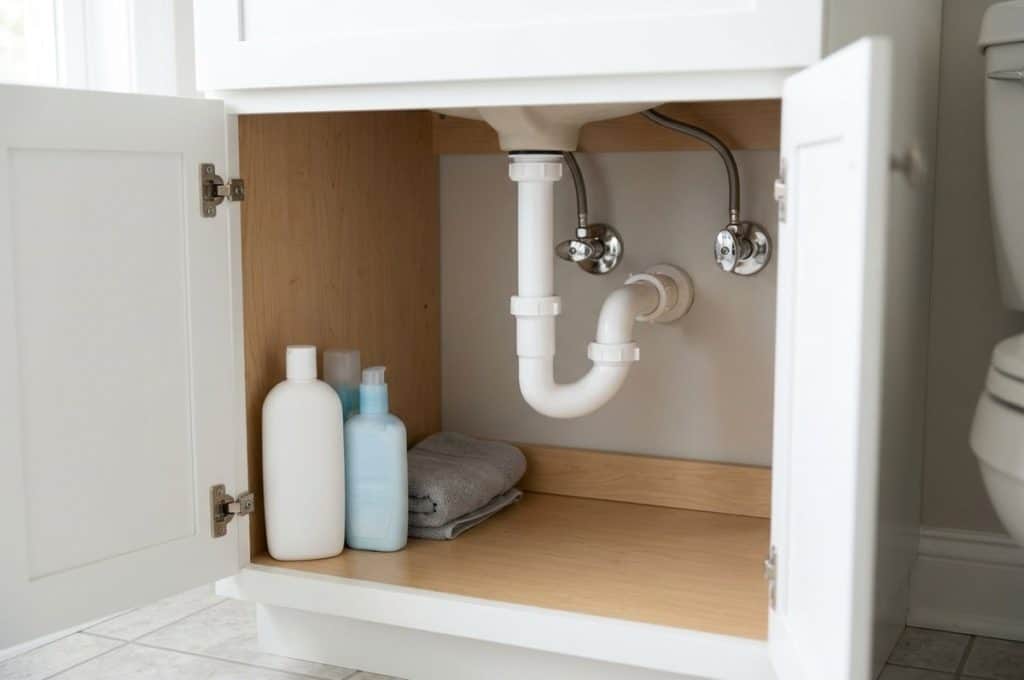
Stamp work kicked off with the Penny Black in 1840. That move set up prepaid mail and pushed printers to be precise with inks and cancellations. Delivery got quicker after that, and letters held up better in transit. Cast iron pipes began taking over from lead and wood in many buildings around the same time, and leaks and rust dropped off. Envelopes saved from those years still carry delivery marks, while plumbing logs from the era note pressure tests that confirmed the upgrades.
By 1870 stamps used standard perforations so sheets tore cleanly. Threaded fittings appeared in plumbing work right around then, and that change made assembly or repairs faster. Both sides saw fewer failures once sizes stayed consistent. A sheet tore crooked without the even spacing, dropping value the same way a misaligned fitting let pressure escape during daily use. Old stamp books from the end of the century list prices that rose when condition stayed strong, much like maintenance records helped pipe runs last longer. One envelope from the 1850s might show a faint postmark that matches a city ledger noting the first iron line tested at full pressure. Those small matches keep turning up.
Standards Settling In During the 1900s
Perforation gauges and watermark tools came in early in the 1900s and let collectors check a stamp’s realness in minutes. Plumbing crews began measuring pipe widths and wall thickness with the same care, which cut down on install errors. Collectors who kept strict lists often finished full sets in under five years when they stuck to rules on condition.
Water heaters and pressure regulators spread by 1925. With thermostats set right, the units recovered fast enough for everyday use. Stamp collectors at the time followed the different perforation types that showed up in small runs, and prices climbed when those varieties proved scarce after a few years. The real payoff came when both groups learned that skipping measurements early on cost more later, whether in faded colors or sudden pipe bursts.
Why the Match Appears
The two hobbies kept landing on the same fixes because both deal with items that must last decades. Track the dates and the link between paper care and pipe upgrades stops looking like chance.
And it is not just timing. The habits that protect one set of records tend to protect the other, since the threats line up: moisture, pressure swings, and rough handling.
Why Steady Maintenance Adds Up Over the Years
A fixed schedule of checks delivers the strongest results down the line, whether you collect stamps or run a plumbing system. Stamp owners replace sleeves every few years to keep the plastic from marking the paper. Valve and seal inspections do the same job on pipes by preventing scale that can choke flow after about eight years.
Pros suggest a pressure test each year so weak spots get caught before they grow. Collectors follow a similar habit by shifting items into stable storage, which holds colors steady even after decades. Miss one cycle and it feels like nothing happened, yet the gradual harm builds in both cases. A sleeve left too long lets a corner crease form that cuts grade at sale time, while an unchecked valve lets grit collect until morning pressure drops to a slow drip.
MC Plumbing handles targeted part swaps that bring flow back to original levels without tearing out the whole setup. Install records from the 1950s still show systems running past seventy years when quarterly checks stayed in place. The same steady habit appears in albums where stamps remain flat and bright because sleeves got swapped on time.
Material Choices That Last
Copper lines replaced galvanized steel after 1940 since they resisted rust for twice as long. Collectors switched to archival polyester mounts around the same period and ended the acid damage that once wrecked paper in fifteen years. Both changes simply stretched the usable life of what people already owned. An older album page kept stamps from browning at the margins the same way copper kept water from picking up a metallic taste. At the time the switch rarely felt big. It just meant fewer problems later when older materials began to show wear.
Solvent weld joints on plastic pipe after 1970 cut assembly time from hours down to minutes and still held without leaks. Collectors grabbed exact tools for hinge removal and trimmed processing time from thirty minutes to under five.
Tracking across collections finds full series that kept original gum and perforations when kept away from light and shifting humidity. System records show balanced pressure plus regular flushing holds mineral buildup below the point where pipe diameter shrinks more than ten percent in thirty years.
Keeping Good Records
Stamp catalogs list exact print runs and issue dates, so collectors can figure survival rates years later. Plumbing plans note pipe sizes and valve spots, which lets repairs stay focused and avoids extra demolition. Both habits cut the time spent diagnosing issues and raise the odds of fixing things on the first try.
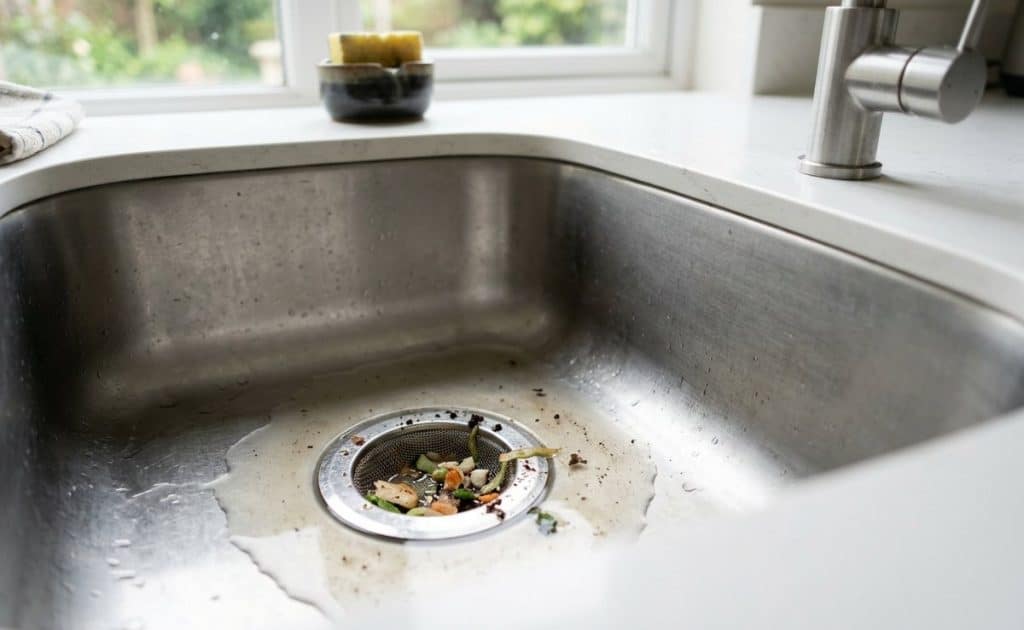
Scanning stamps started in the 1990s and gave reference images that confirmed varieties without extra handling. Camera checks inside lines now find blockages in under an hour instead of the full-day digging that used to be required. That means quicker return to service and lower overall costs. The shared point is straightforward: solid records turn guesswork into something close to routine.
What the Coming Years Look Like
Current standards for both areas push non-destructive testing and parts that can be swapped out. Collectors count on new issues holding catalog value when they start in controlled storage right away. System operators plan service gaps of twenty-five years or longer once modern materials and scheduled checks begin at installation.
These side-by-side records show that regular measurement, on-time swaps, and written steps produce reliable long life for both stamps and fluid networks. EPA